10 Shocking Baby Facts That Will Blow Your Mind

Think newborns are straightforward? We grasp conception basics, random gender selection, and postnatal influences on infant growth. Yet, the reality is far more astonishing. Did you know moms with more sun exposure might birth taller kids? Or hunger during famine boosts daughter births? Even AI-driven robotics now enable remote human embryo creation. Dive into these 10 unsettling baby facts that challenge everything you know about newborns and early development, backed by scientific studies.
The IVF Club Is Bigger Than You ThinkWinter Babies Start Crawling EarlierSummer Babies Are HealthierThe First Remotely Created BabyOlder Moms Give Birth to Smarter KidsBreech Births Are GeneticThe Oldest Baby to Be Born Was 30 Years OldFamine Leads to More Girl BirthsSpace Kids Don’t Exist (Yet)The Last Human Baby
Since the first IVF baby in 1978, this fertility breakthrough has helped millions conceive naturally impossible pregnancies. Despite the dated tech, it's highly effective—a "test tube" baby arrives every 35 seconds worldwide. Over 13 million IVF births span 101 countries, per the European Society of Human Reproduction and Embryology (ESHRE) data (eshre.eu). Unreported nations and places like Australia, without early registries, suggest 4 million more unreported successes. Curious about your odds? IVF success rates have climbed with advancements—consult a specialist for personalized insights.
Born in chilly months? You might've been a crawling prodigy. A 2014 University of Haifa study (haifa.ac.il) tracked 47 Israeli babies: winter/spring births crawled up to 5 weeks ahead of summer/autumn ones, via parent reports and home assessments. Similar findings emerged in Japan and Colorado, but Canada's milder seasons and heated homes showed less variance. Why? Cooler temps or seasonal vitamin exposures could boost motor skills early—fascinating for parents tracking newborn milestones.
Why Babies Sleep Outside in Winter#usa#amazing#factsonly
A 2015 UK study of 500,000 people revealed summer births led to heavier weights, taller adult heights, and later female puberty—a health marker (published in Heliyon journal). Experts point to the "sunlight effect": more second-trimester vitamin D from sun exposure aids fetal growth. As per CDC birth data (cdc.gov), seasonal patterns influence outcomes—plan your pregnancy timing with doctor advice for optimal baby health.
Baby enjoying her @Mambobaby 🙈🥰#babygirl#baby#mambobabyfloat#summer#babysummer#fyp#parati
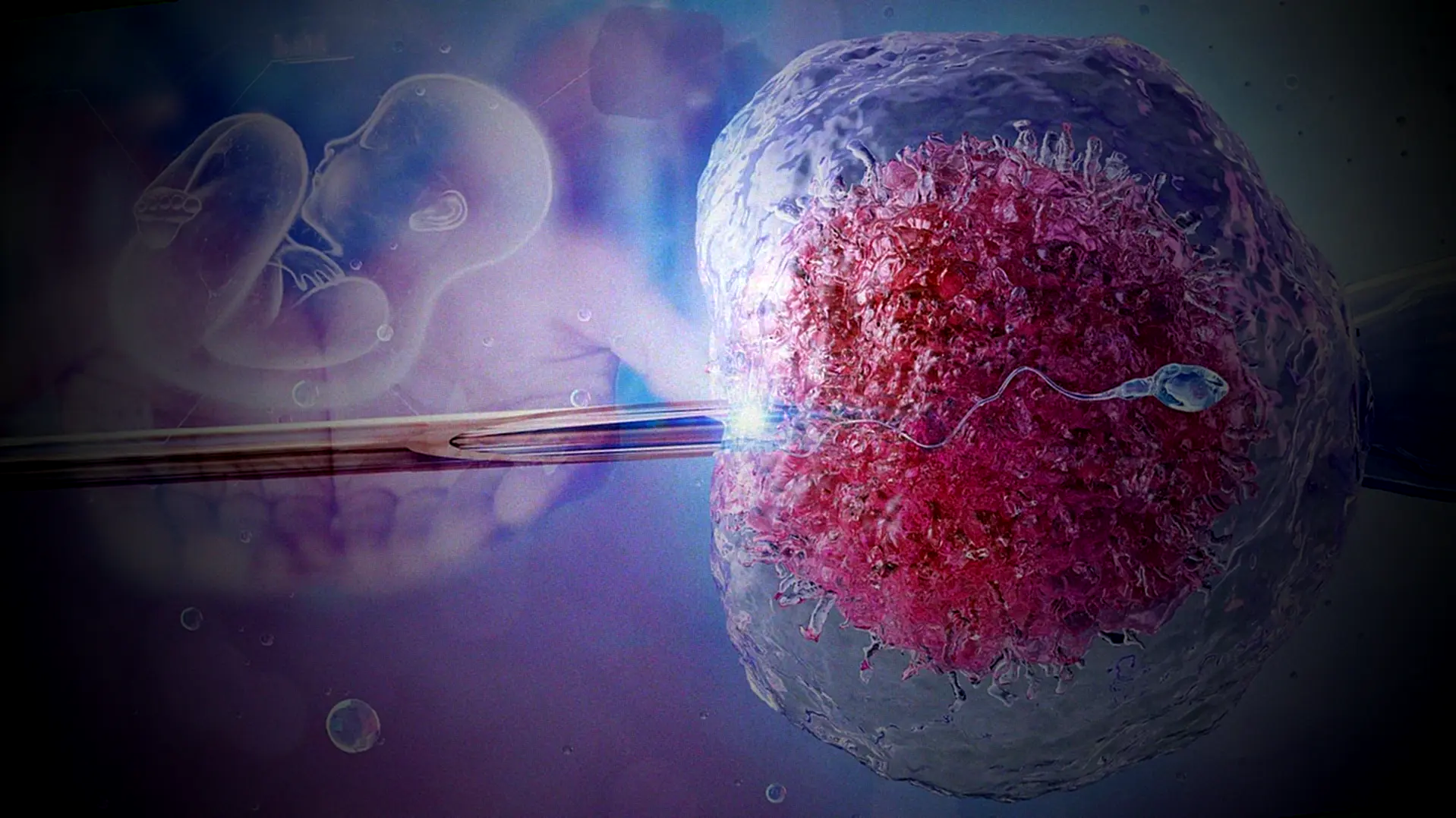
Reproductive tech leaps forward with remote IVF control—operate from afar to inject sperm into eggs in a precise 23-step process. Manual methods often damage eggs and drag on; automation cuts errors and time. In 2025, the world's first baby from this AI-robotics hybrid was born, revolutionizing fertility access globally.

Surprising? Cognitive tests prove kids of older mothers score higher on IQ than those of younger ones—a reversal from 40 years ago. Today, in developed nations, older moms boast education, careers, stability, and healthier habits like no smoking, priming better child-rearing. Firstborns also excel from undivided attention. Studies from the American Psychological Association (apa.org) affirm this trend—what's your take on maternal age impacts?
80 year old mom and her babies#worship#cutebaby#cute#happy#babyhappy#lovebaby#curiosity#aibaby#fy#strange
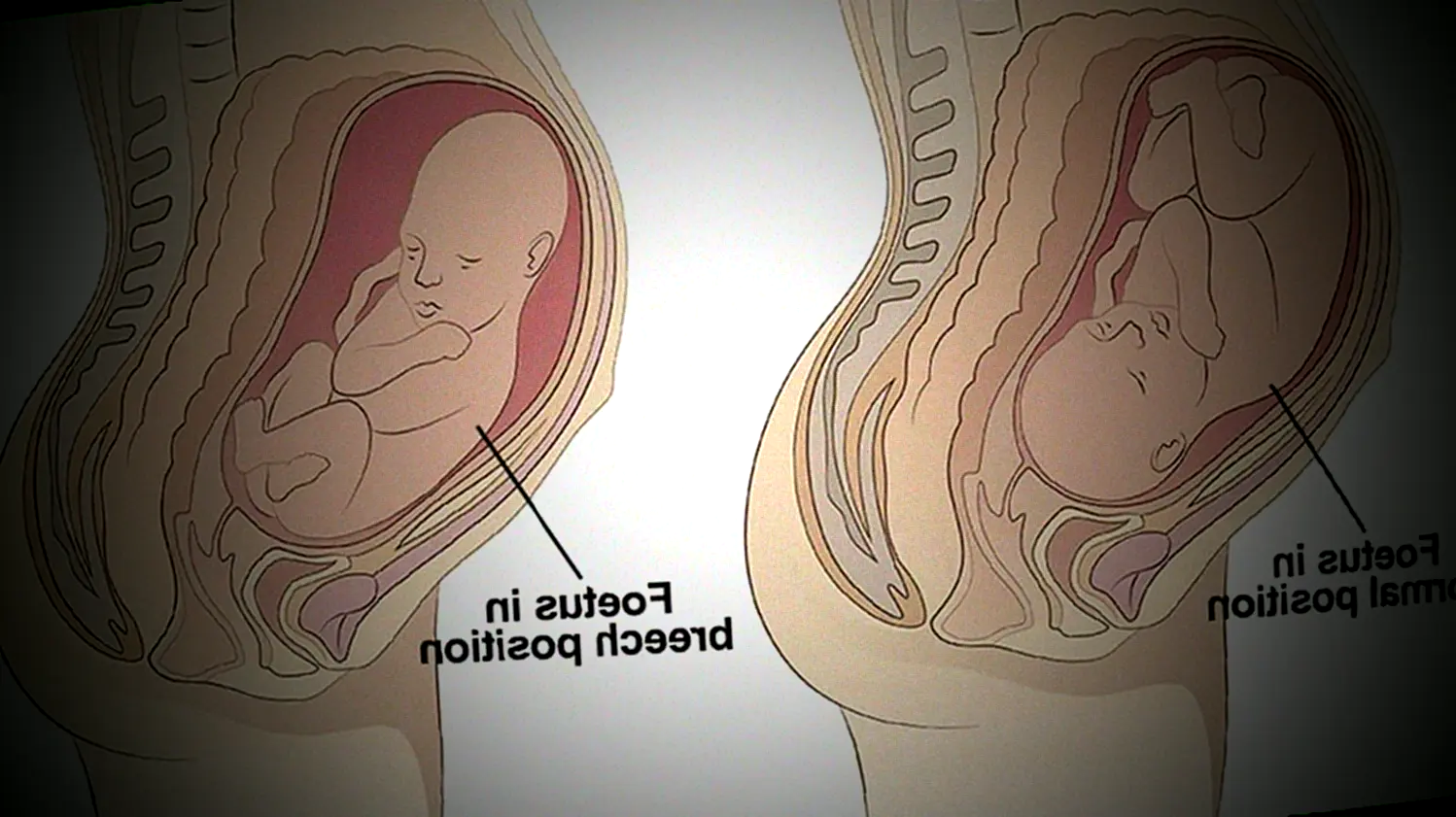
Not the best legacy: breech position (feet/butt first) in 1/20 births risks complications or worse, unlike ideal headfirst arrivals. A 2008 Norwegian study (Norwegian Institute of Public Health) found firstborns twice as likely if a parent was a full-term breech baby—key for risk prediction and C-section planning.
In 1994, Linda Archerd's IVF yielded a girl and three frozen embryos. Decades later, one thawed embryo birthed a baby in July 2025—frozen over 30 years, claiming "oldest baby" status! Embryo freezing tech, per ASRM guidelines (asrm.org), enables such feats, offering hope for delayed parenthood.

Normally boy-heavy, births flip female during famines. Theories: girls boost maternal DNA survival as most women reproduce even malnourished, versus fewer strong males. Low maternal blood sugar may cull male embryos, per research—intriguing evolutionary baby facts.
Baby Talking in the Snow Meme Template#baby#babyboy
Birth's fragile chain—75% embryos lost pre-knowledge—falters in zero gravity. Floating risks slips, collisions, cosmic radiation threaten development from conception to delivery. Mars colonization demands solutions; NASA's twin studies hint at microgravity woes (nasa.gov).
Babies in Space! Because why not?!#ai#cutebabies#justforfunn#aivideo#spacetok#cutenessoverload
Birth rates swing: overpopulation fears to extinction panic. Post-fertility apocalypse, humanity lingers ~70 years via medicine, but crumbling society erodes care, sparking chaos. Ponder this: how can we sustain baby facts into the future? Share below!